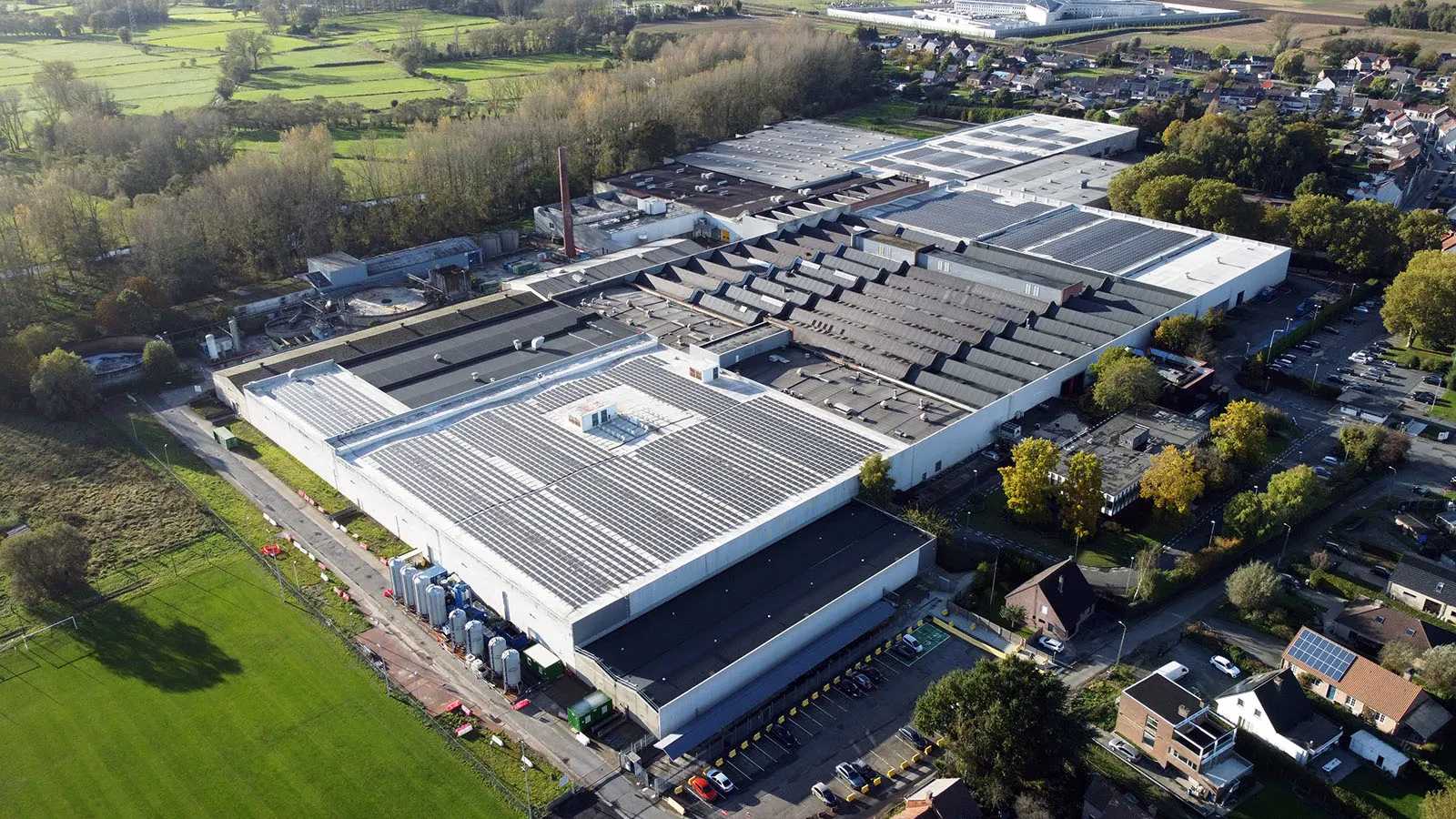
Technical inspection of your roof: prevent damage and extend its lifespan

Technical inspection of your roof: prevent damage and extend its lifespan

A roof has to endure a lot every day. Rain, wind, UV rays, and organic matter gradually wear down the roofing material. Without regular maintenance, minor defects can develop into serious damage.

A technical inspection of your roof is the best way to detect problems early on and keep your roof in top condition.

Blogs
>
Roof Maintenance
>
>
Technical inspection of your roof: prevent damage and extend its lifespan
Kristof Vanlommel
Written by
Kristof Vanlommel
Key Account Manager

What is a roof inspection?

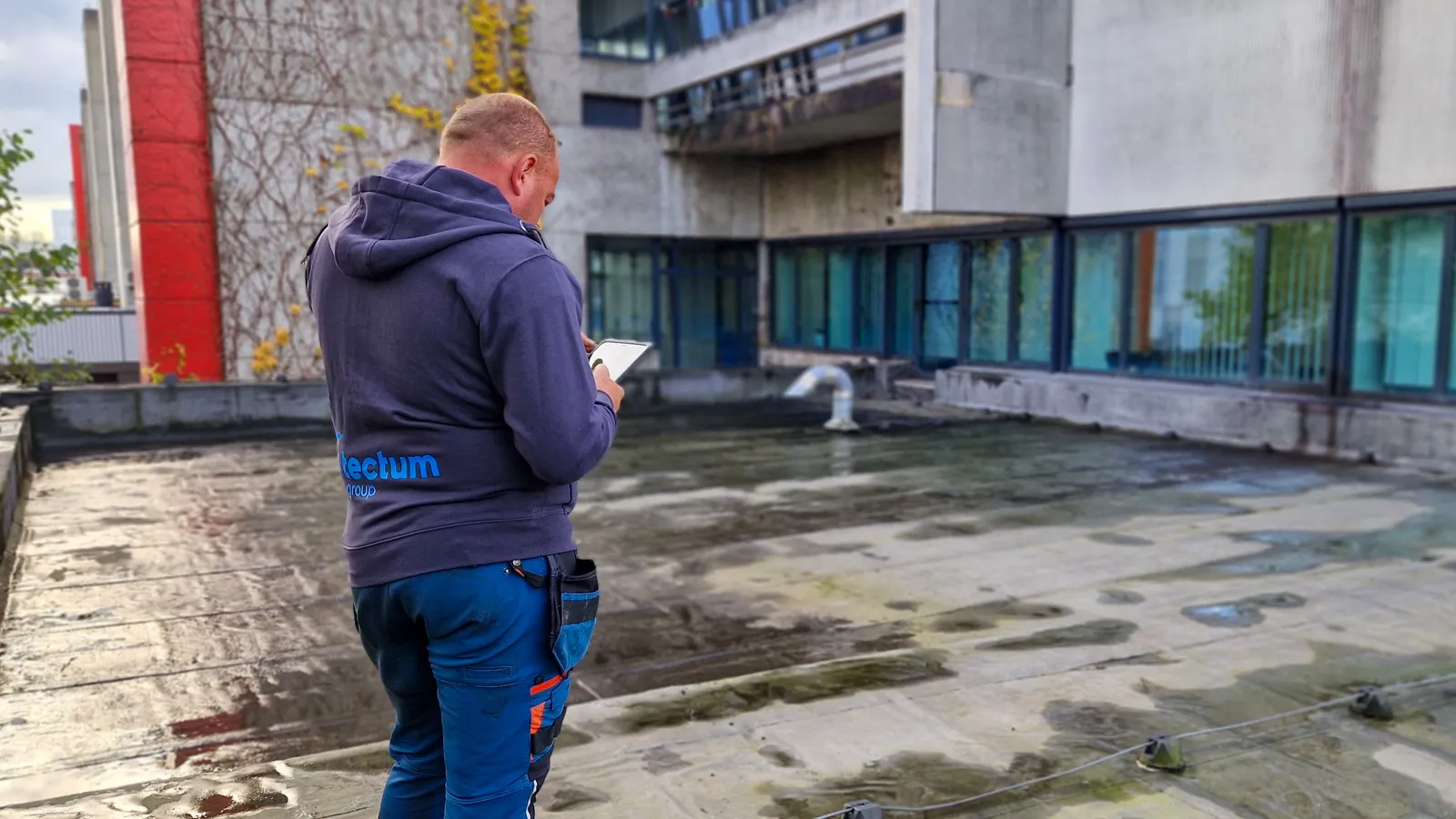
A technical inspection is a thorough examination of your roof by an experienced specialist. Unlike standard roof maintenance, which focuses primarily on cleaning the roof, a technical inspection takes a closer look at the condition of the roof structure and waterproofing.

At Tectum Group , every inspection Tectum Group conducted according to a standardized checklist, with a focus on detail and sustainability.
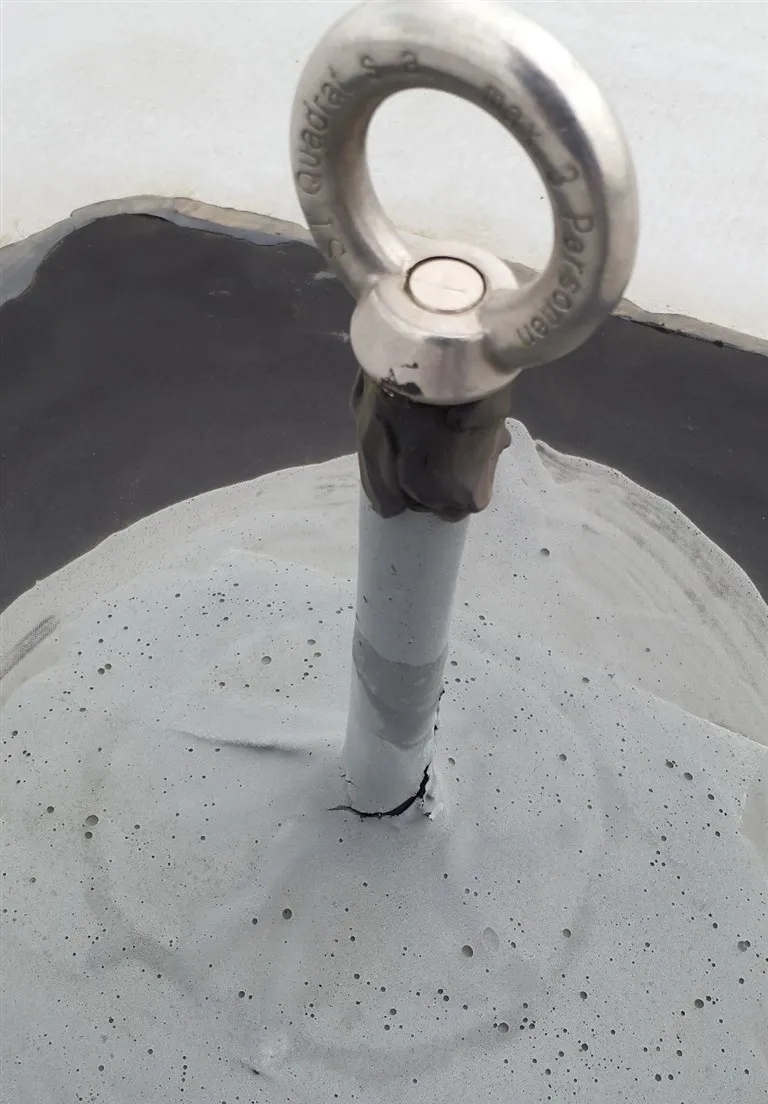
A tear in the liquid waterproofing around an anchor point.

Difference between roof maintenance and technical inspection

Effective roof management combines both:

  • Roof maintenance: removal of leaves, moss, and other organic material
  • Technical inspection: assessing the technical condition and identifying damage

The frequency of maintenance depends on the environment. Roofs in green areas often require several maintenance visits per year, while other roofs only need one.

However, an annual technical inspection of the roof remains essential, regardless of the environment.

Technical inspection of your roof: prevent damage and extend its lifespan

What is checked during a roof inspection?

During a professional roof inspection, all critical components are checked:

  • Bubbling in the roof membrane
  • Cracks or early signs of damage
  • Seam joints in roofing membranes
  • Joint between the roof panel and the roof drain
  • Condition of roof edges
  • Connections around vents and roof penetrations

This thorough inspection ensures that even the smallest defects do not go unnoticed.
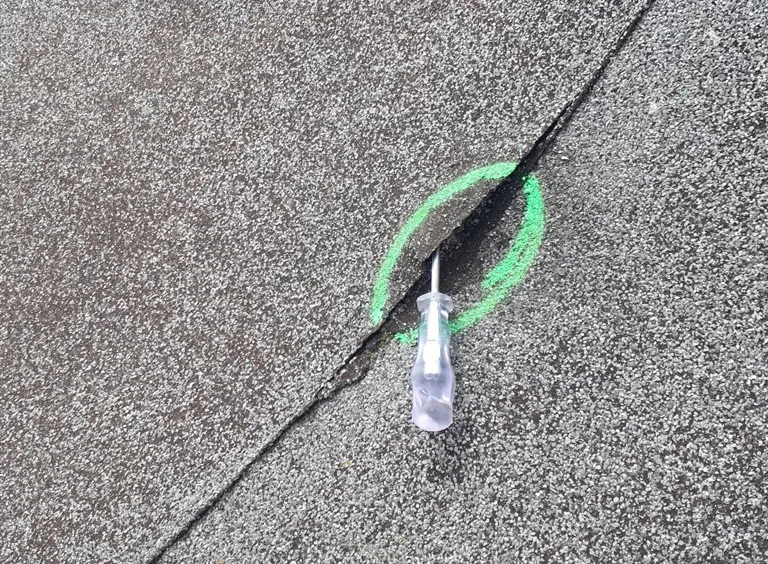
expanding joint in bituminous waterproofing

Why is a technical inspection of your roof so important?

1. Avoid costly repairs

Minor damage can quickly escalate. By taking prompt action, you can prevent major and costly renovations.

2. Extend the life of your roof

A well-maintained roof lasts significantly longer. Regular inspections protect your investment.

3. Stay in control of your building

A technical inspection will give you a clear picture of your roof’s condition. No surprises, just clear insights.

4. Ideal for preventive roof maintenance

A preventive roof inspection helps you better plan maintenance and any renovations.

Loose seam caused by blistering

Clear reporting after each inspection

After each technical inspection, you will receive a detailed report containing:

  • Photos of identified issues
  • An objective analysis of the condition of the roof
  • Specific recommendations and priorities

This will help you make informed decisions about your roof.

How often should a technical inspection be performed?

Tectum Group :

  • At least one technical inspection per year
  • At least one preventive roof maintenance check per year

Depending on the environment and the amount of organic material, maintenance may be required several times a year.

Choose peace of mind with Tectum Group’s Roofing Services

A technical inspection is part of a broader approach. With Dakzorg from Tectum Group , you Tectum Group a comprehensive solution that combines maintenance, inspection, and expert advice.

This way, you can be sure your roof will continue to perform at its best, without unexpected costs or risks.

Support

Frequently asked questions

1. What is the difference between roof maintenance and a technical inspection?
Roof maintenance focuses on cleaning the roof, such as removing leaves and debris. A technical inspection goes a step further and examines the condition of the roof waterproofing, flashings, and any potential damage. Both are essential for proper roof management.
2. How often should I have my roof inspected?
In most cases, one technical inspection per year is sufficient. Ideally, this should be combined with at least one maintenance service. The frequency may need to be increased depending on the environment and the load on the roof.
3. How much does a roof inspection cost?
The cost depends on factors such as the size, accessibility, and complexity of the roof. However, compared to the potential cost of damage repair, a technical inspection is a modest yet valuable investment.
4. What happens after a technical inspection of my roof?
After the inspection, you will receive a detailed report that includes photos, an analysis of the roof’s condition, and specific recommendations. This way, you’ll know exactly what needs to be done and can take targeted action.

Contact

One of our key strengths is proactive thinking at every project, ideally as early as the construction phase. We delight in sharing our experience and expertise to deliver the optimal solutions for every roof and facade